

The USA, Russia, China and other major powers are increasingly pursuing their political goals through military, economic, and diplomatic pressure, rather than through cooperation. The spirit of collaboration that followed the end of the Cold War has given way to open competition for regional and global power. Meanwhile, the institutions meant to protect global peace and security are struggling to keep up: they find it difficult to include powerful states and represent the growing number of voices in the international community. At the same time, climate change, pollution, and the loss of biodiversity are making communities around the world more vulnerable. These developments matter deeply for international peace. As a result, the number of armed conflicts has reached a new record high for three years in a row. This symposium brings together researchers, practitioners, and policymakers from across Europe to discuss the future of international peace and security in a rapidly changing world.
Programme
16 November 2026
17:30 – 18:00
Reception, registration & welcome
18:00 – 18:10
Official opening: Welcome address by the Rector Peter Riedler of the University of Graz
18:10 – 18:30
Welcome addresses: Federal Minister Eva-Maria Holzleitner and Mayor of the City of Graz Elke Kahr
18:30 – 18:40
Welcome address by the Dean Gabriele Schmölzer
18:40 – 18:55
Presentation of the vision of the Graz Peace Dialogues: Maximilian Lakitsch and Jürgen Pirker
18:55 – 20:00
Keynote Speech by Milja Kurki (Aberystwyth University)
20:00 – 22:00
Reception hosted by the City of Graz
17 November 2026
08:45-09:00
Arrival
09:00-11:00
Panel 1: Pursuing Peace in times of multipolar power politics
Panelists
Cedric de Coning (Norwegian Institute of International Affairs)
Mateja Peter (University of St. Andrews)
Sandra Pogodda (University of Manchester)
Moderation: Bendedikt Harzl (University of Graz)
11:00-11:30
The Art of Peace and Peace of Art
Reflecting the Austrian Forum for Peace 2026: Bernadette Holzer (Austrian Centre for Peace)
Introducing Peace Art Exhibition: Bella Volen, Nicole Pruckermayr
11:30-12:30
Networking Space “Peace Agora”
12:30-13:30: Lunch Break
13:30-15:30
Panel 2: Reconsidering UN Peace Operations
Panelists
Marsha Henry (Queen’s University Belfast)
Judith Vorrath (German Institute for International and Security Affairs, SWP)
Anna Jarstad (University of Uppsala)
Moderation: Lisa Heschl (University of Graz)
15:30-16:00
Recap by Erika de Wet (University of Graz)
16:00-16:15
Closing remarks from the Organisation Team
Experts and Speakers
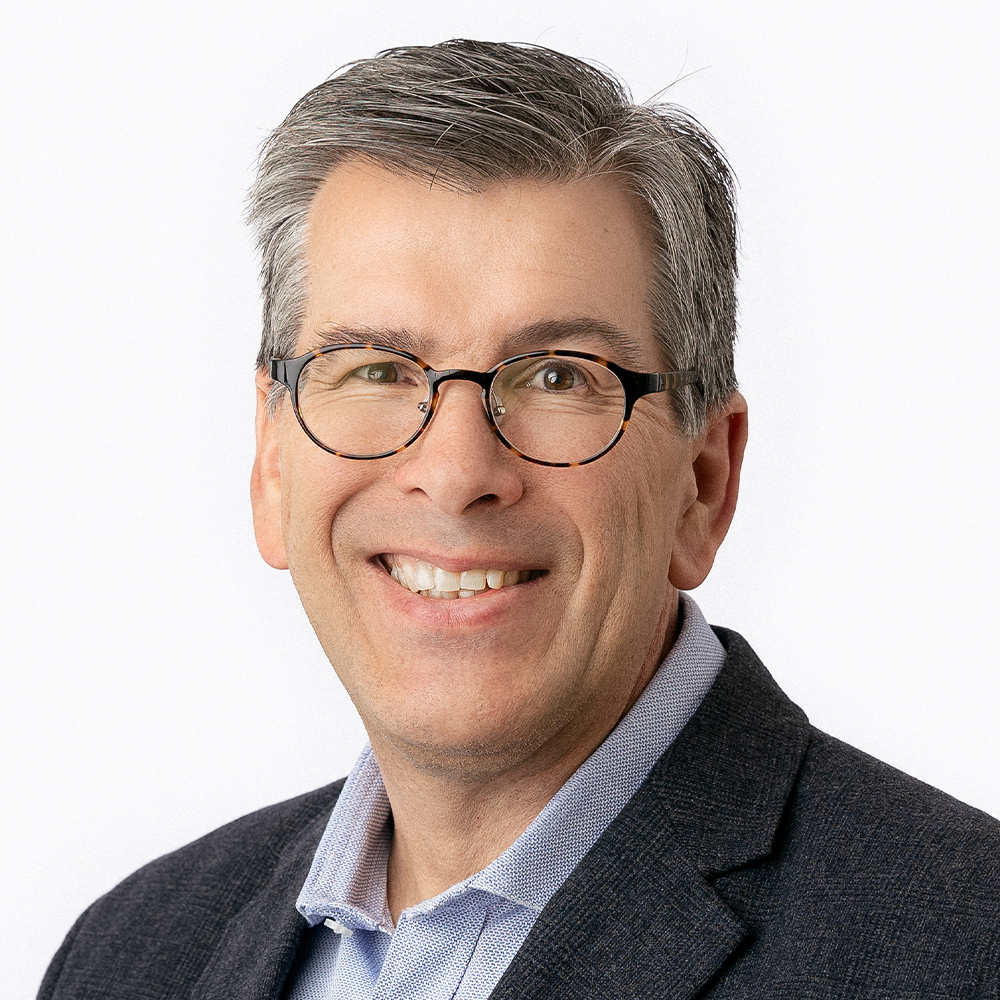
Cedric de Coning
(Norwegian Institute of International Affairs)

Benedikt Harzl
(University of Graz)
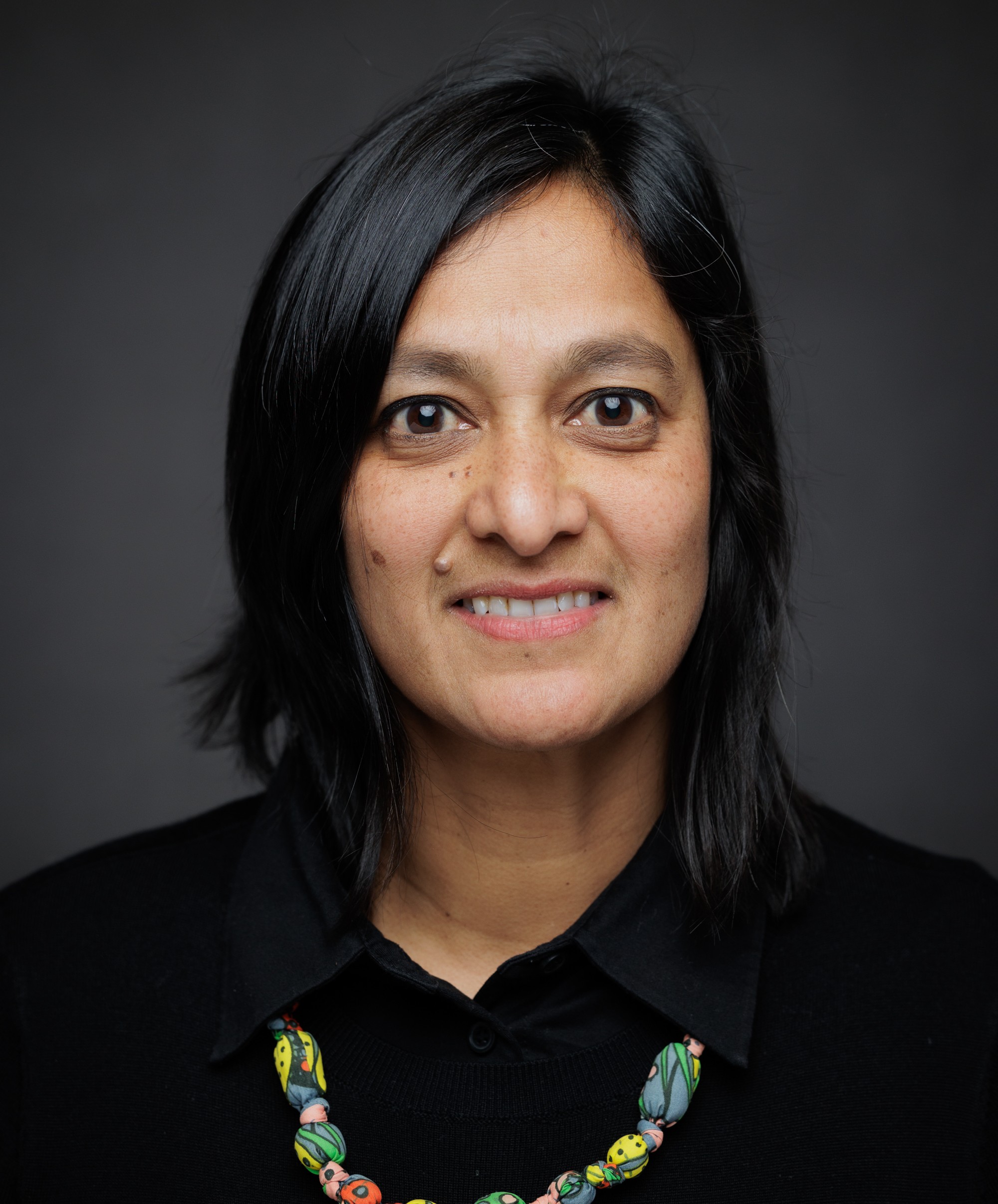
Marsha Henry
(London School of Economics and Political Science)
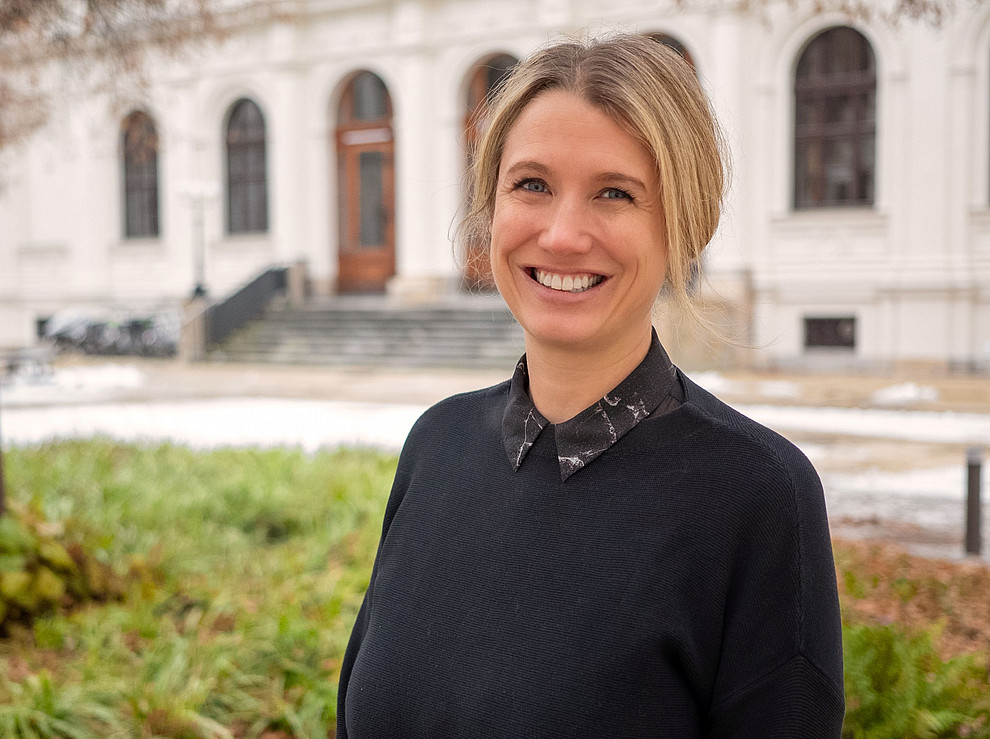
Lisa Heschl
(University of Graz)
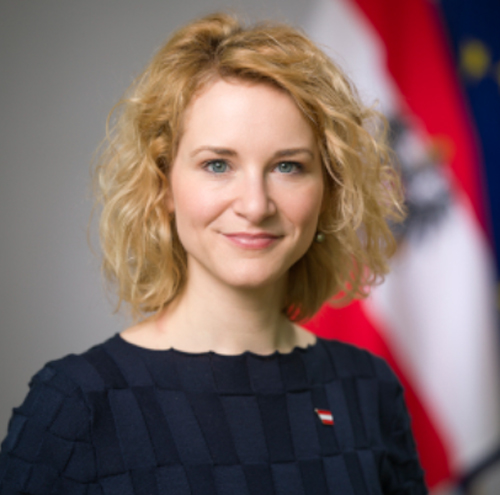
Eva-Maria Holzleitner
(Federal Minister)
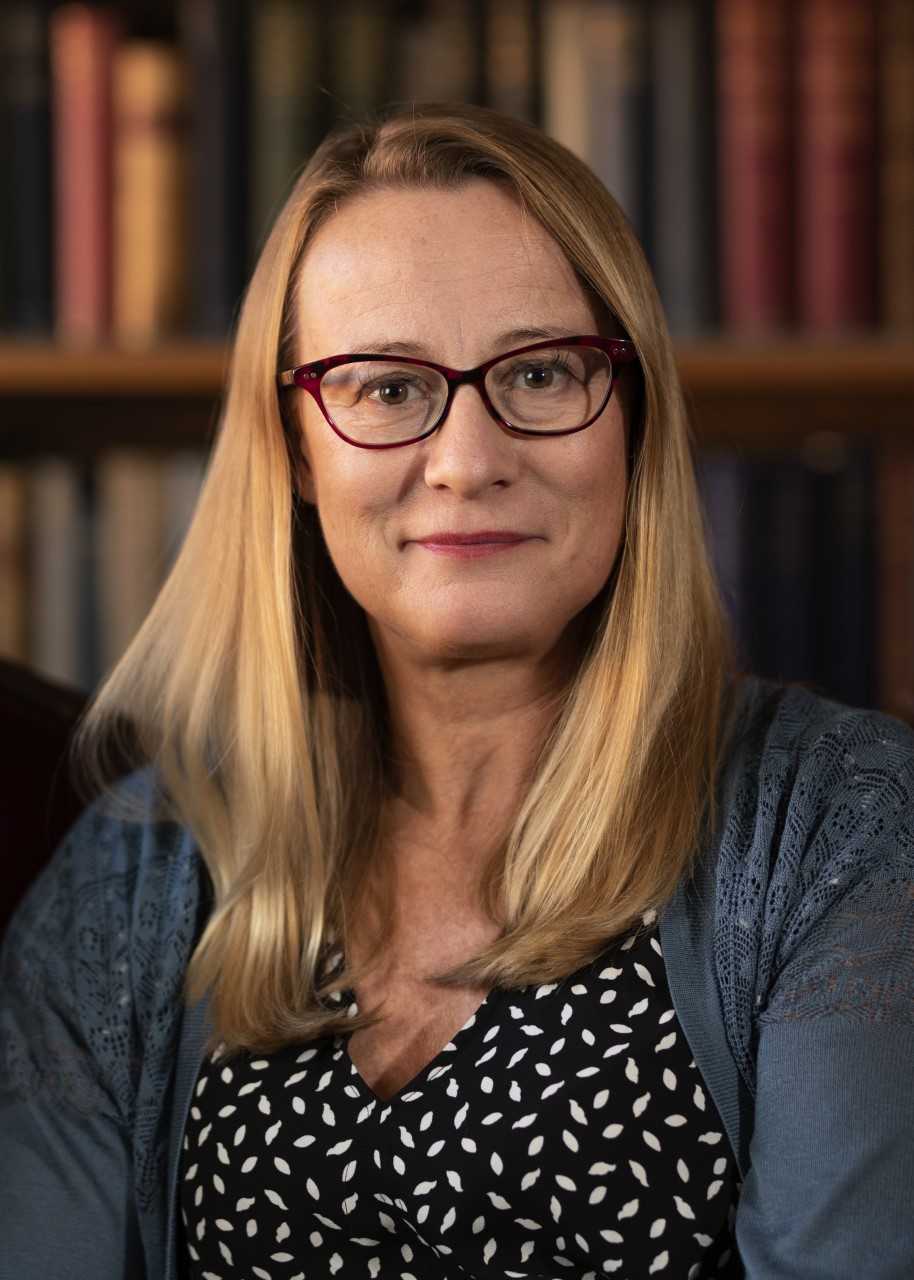
Anna Jarstad
(University of Uppsala)
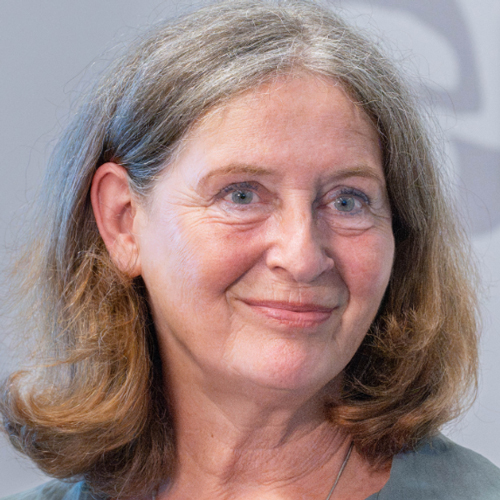
Elke Kahr
(Mayor of Graz)
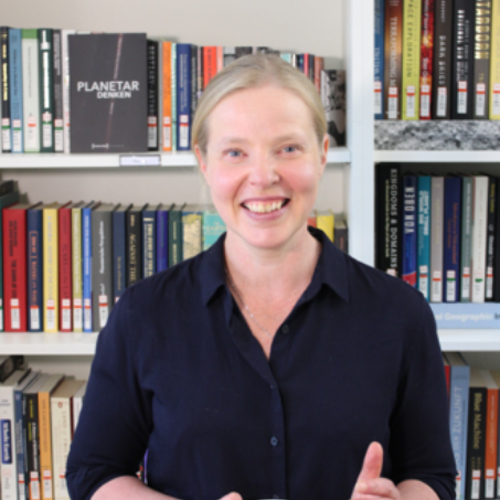
Milja Kurki
(Aberystwyth University)
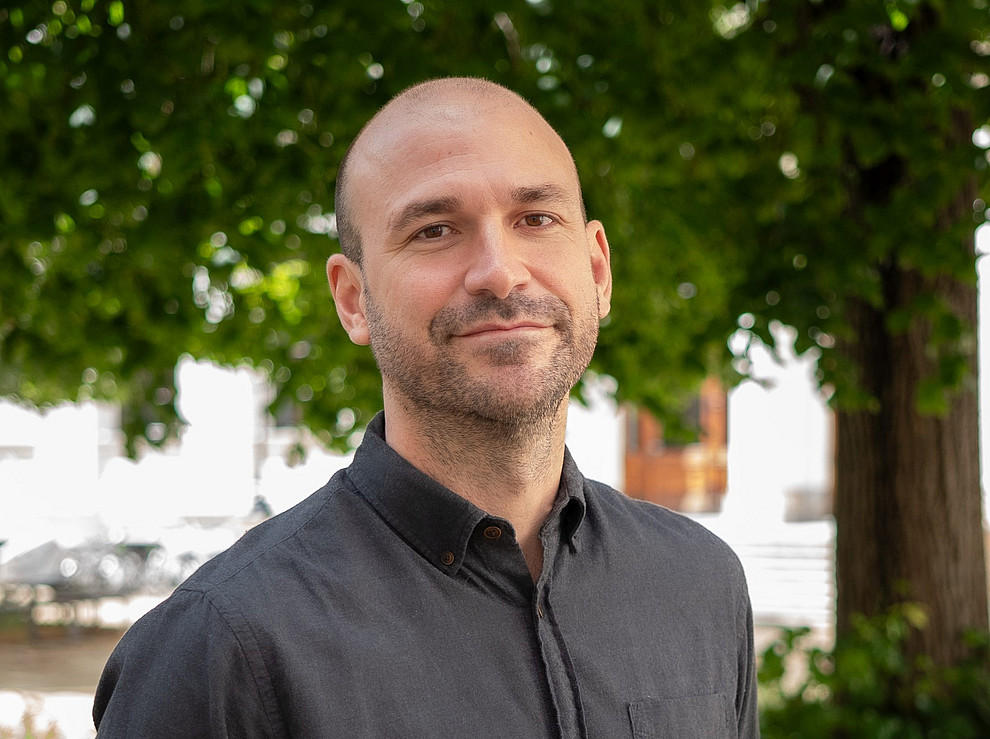
Maximilian Lakitsch
(University of Graz)
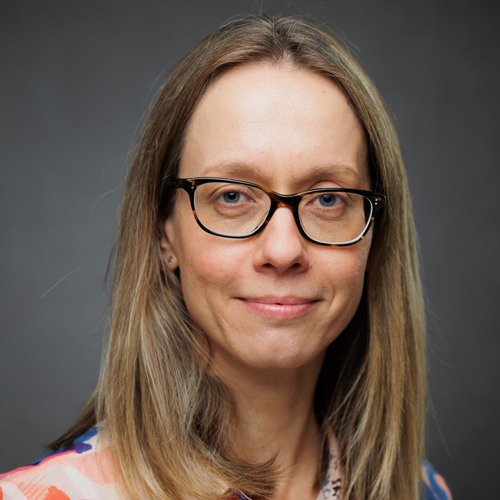
Mateja Peter
(University of St. Andrews)
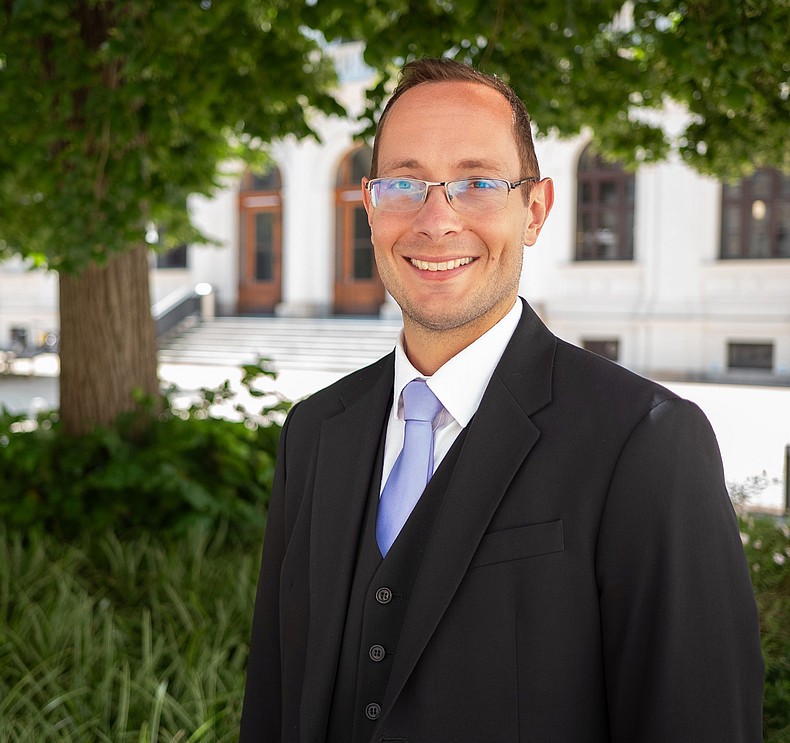
Jürgen Pirker
(University of Graz)
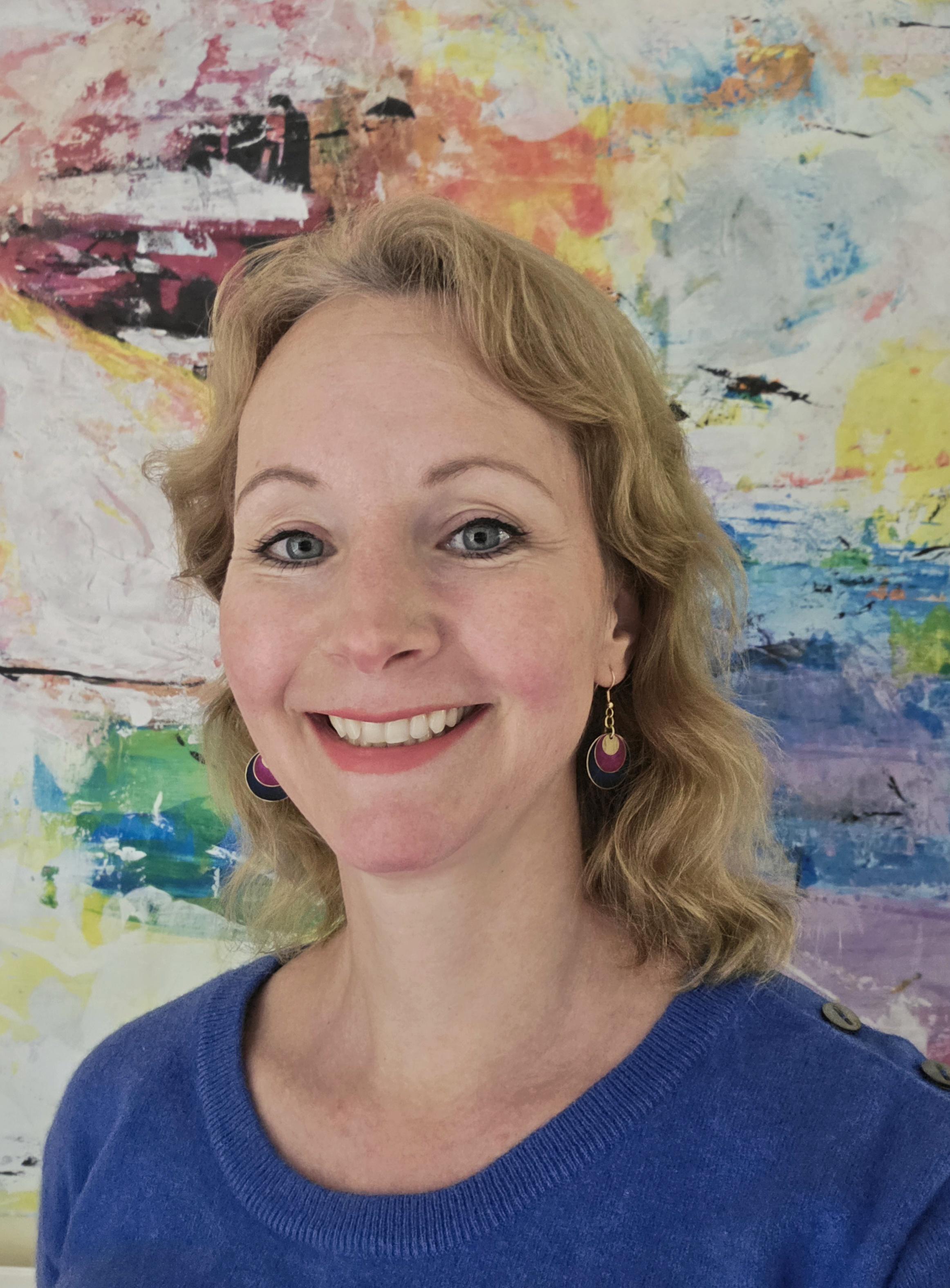
Sandra Pogodda
(University of Manchester)

Nicole Pruckermayr
(Artist)
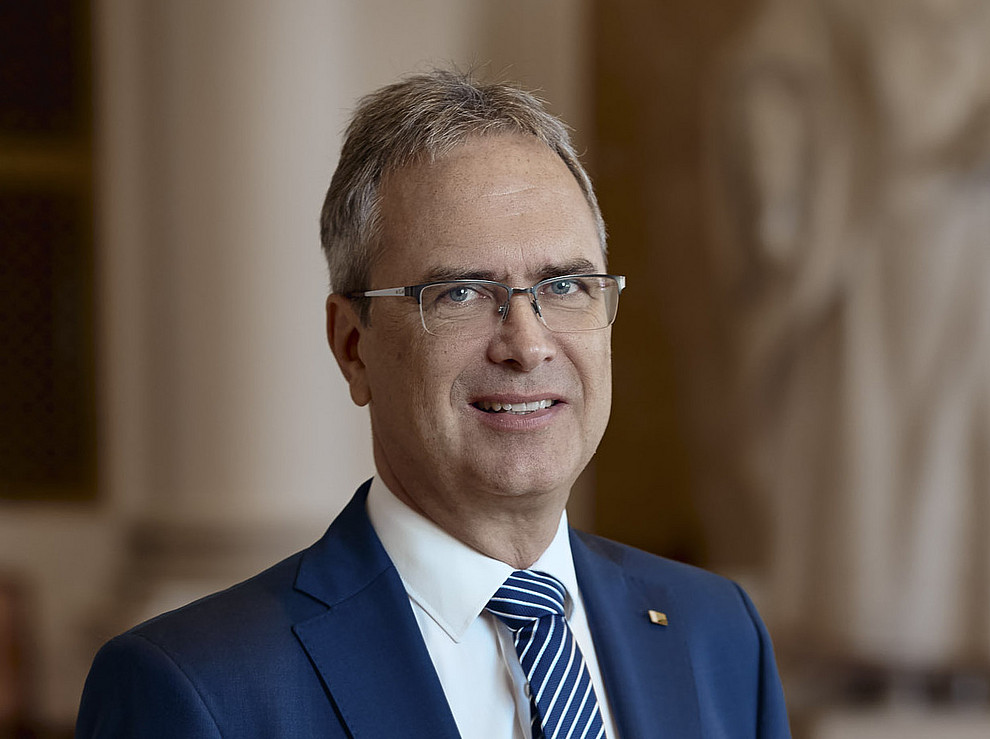
Peter Riedler
(Rector University of Graz)
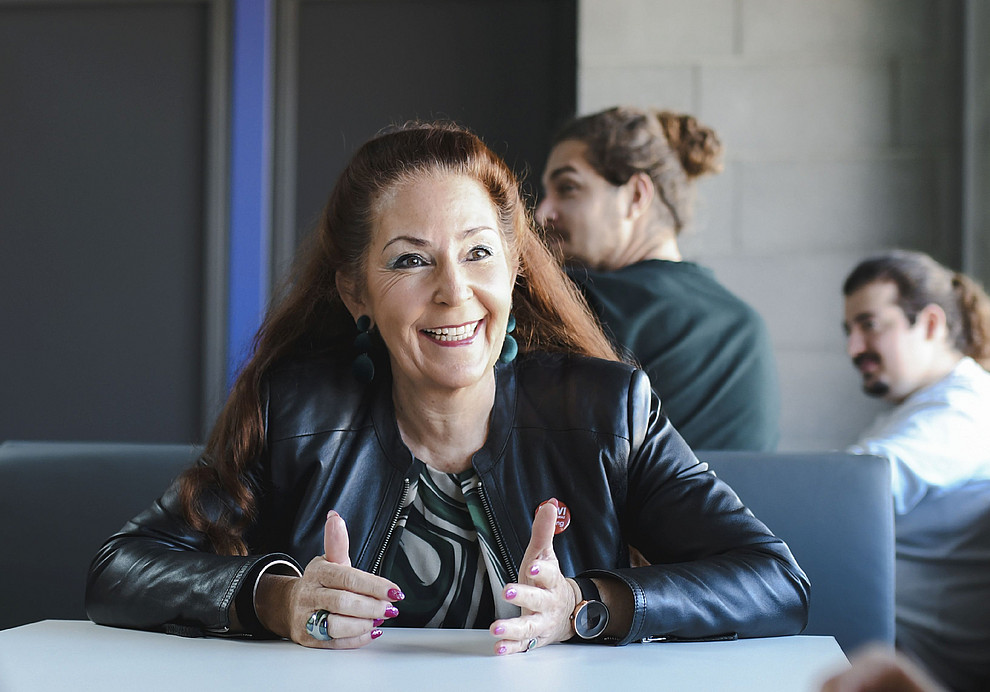
Gabriele Schmölzer
(University of Graz)

Bella Volen
(Artist)
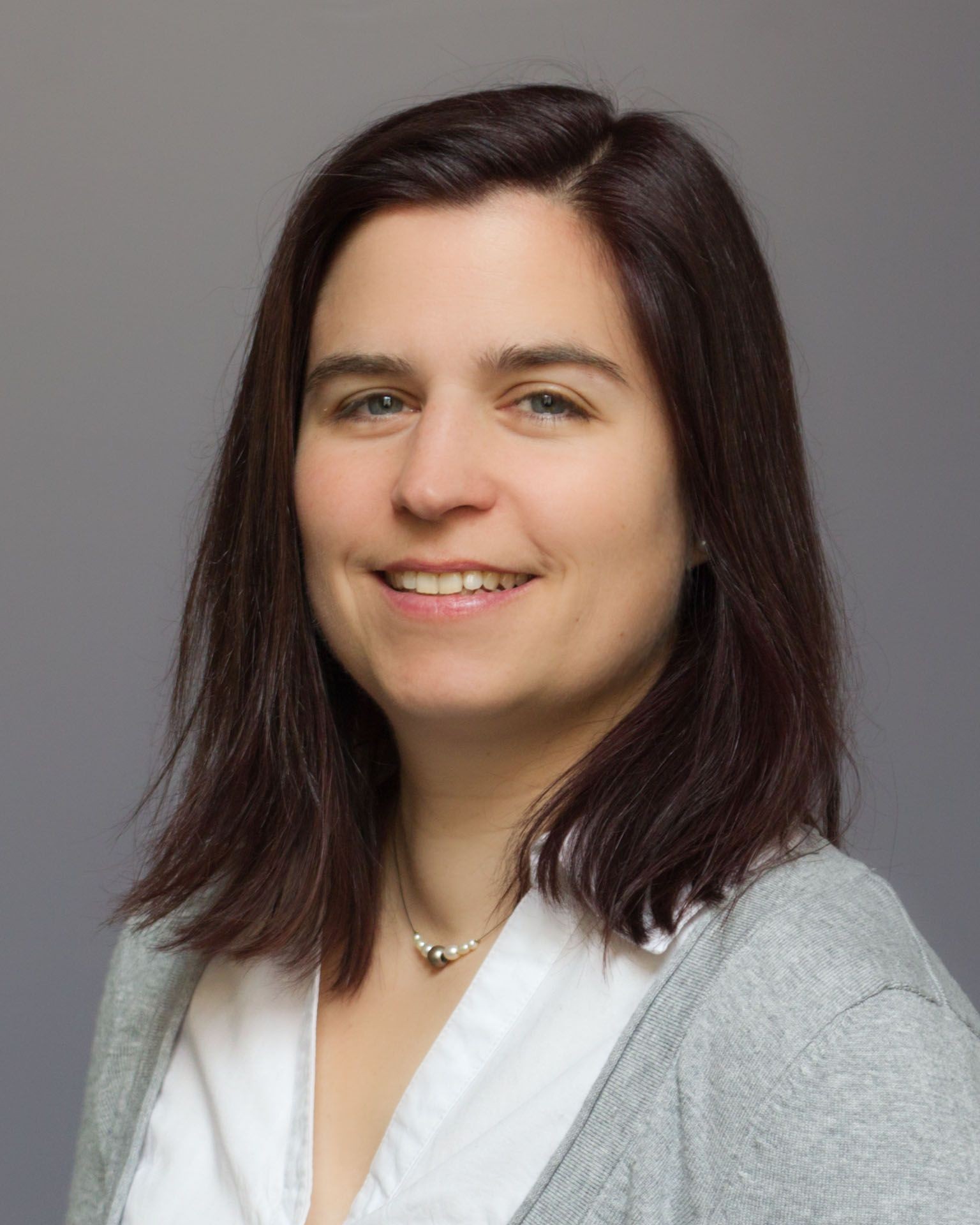
Judith Vorrath
(Deutsches Institut für Internationale Politik und Sicherheit)

Erika De Wet
(University of Graz)
What it is about…
The international order established after the Second World War is facing serious challenges. Countries like the USA, Russia, China and other major powers are increasingly pursuing their goals through military force, as well as diplomatic and economic pressure, rather than through long-term cooperation with other nations. The cooperative spirit that followed the end of the Cold War has given way to open competition for regional and global power. The UN Security Council is often paralyzed: vetoes and rivalries between major powers block important decisions. Meanwhile, the institutions meant to protect global peace and security are struggling to keep up: they find it difficult to include powerful states and represent the growing number of voices in the international community.
These developments matter deeply for international peace. Armed conflicts are becoming more and more transnational in nature. They are increasingly shaped by the shifting balance of power that comes with the decline of US dominance. Eventually, human-driven changes to our natural environment are making conflicts more likely. Climate change, pollution, and the loss of biodiversity are making communities around the world more vulnerable. At the same time, international efforts to resolve conflicts focus more on managing risks than on addressing their root causes. As a result, the number of armed conflicts has reached a new record high for three years in a row.
This symposium brings together researchers, practitioners, and policymakers from across Europe to discuss the future of international peace and security in a rapidly changing world.
Registration


Registration Deadline: 26 October 2026
Please note that photos and videos will be taken during this event. These may be used for promotional purposes (e.g., on websites, on social media, in press releases). By attending, you consent to being photographed and recorded. If you do not wish to appear in such materials, please inform the event organizer.
Organising Team
Maximilian Lakitsch
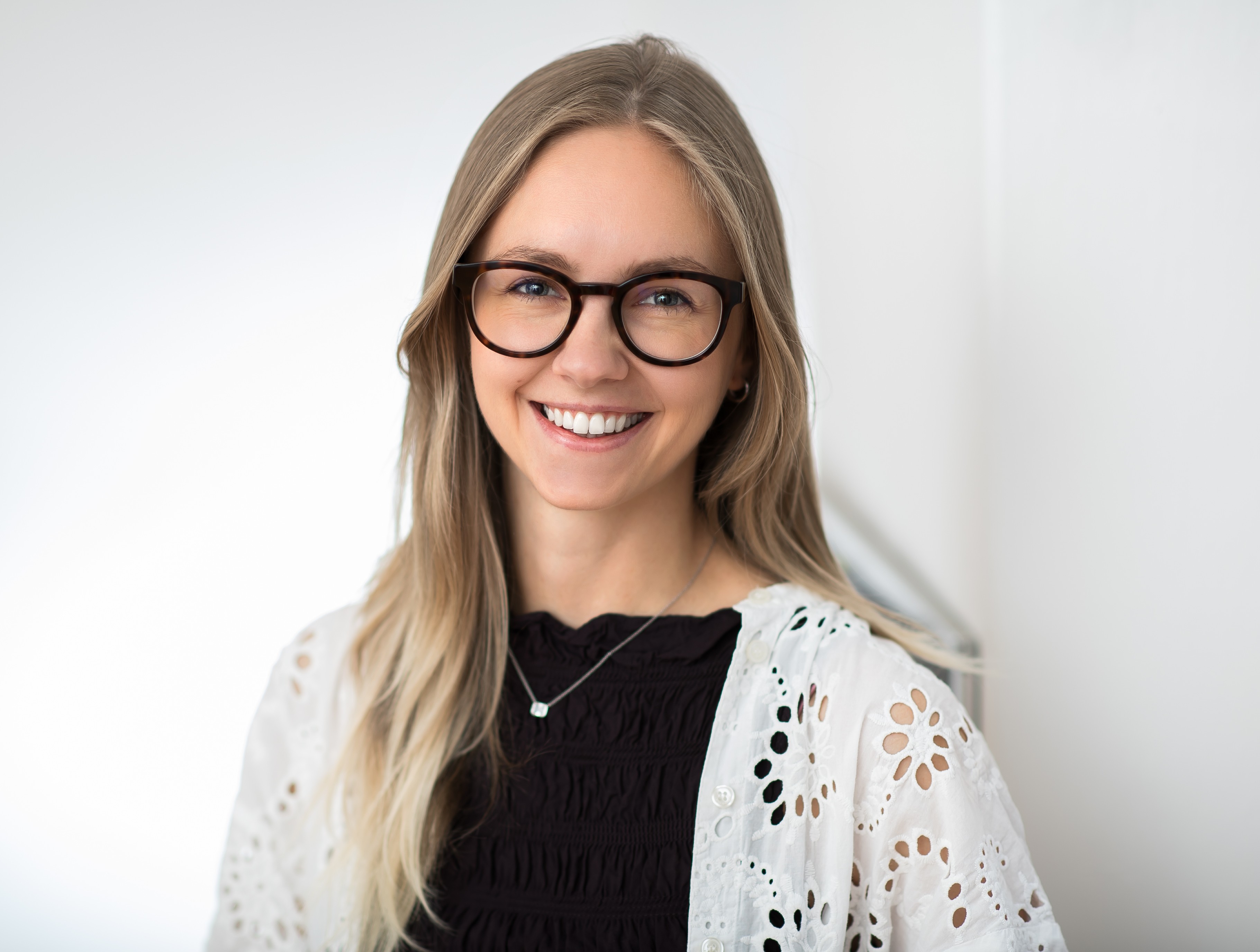
Kathrin Maderbacher

Josef Mühlbauer
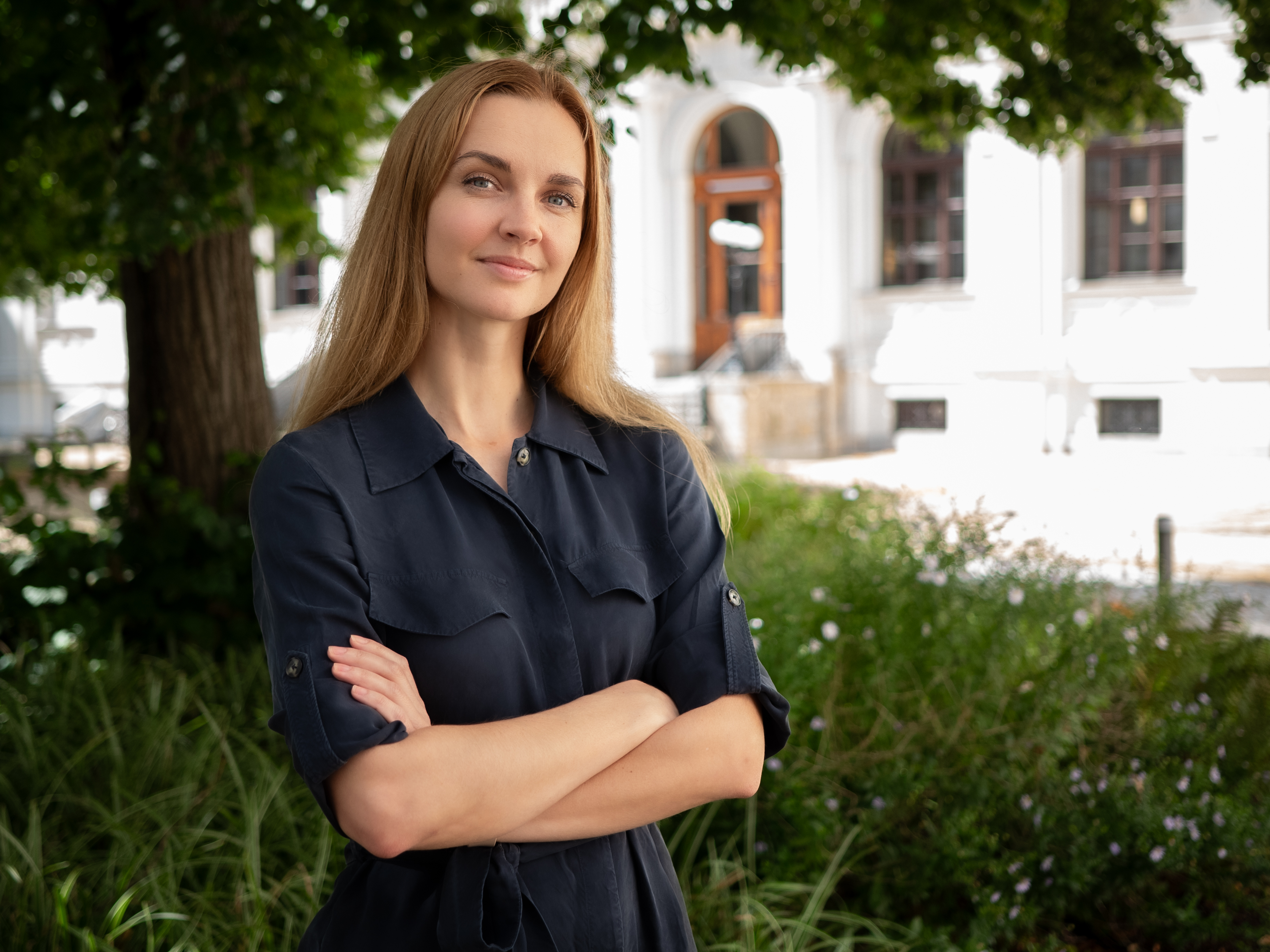
Ksenia Radchenkova


